
A Colonial Vestige
Updated: Jan 22
Name: Dongguksa
Architect/Designer: Monk Uchida
Date/Year: 1913
Materials: wood, stone, tiles
Location: Gunsan, Jeollanamdo, South Korea
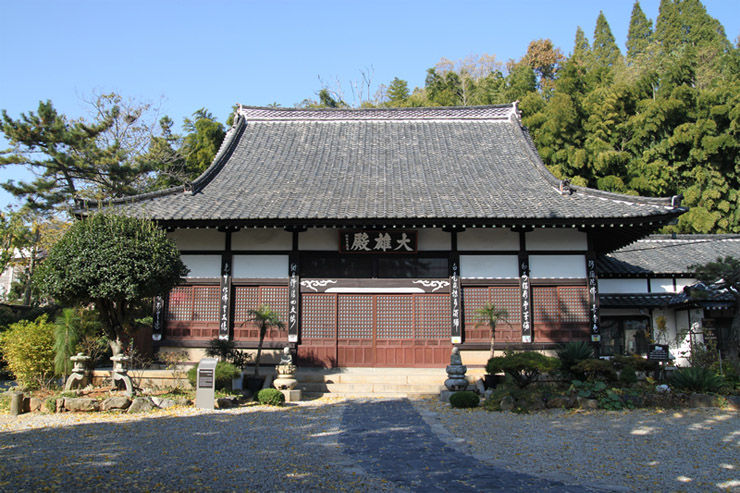

Standing on a quiet hillside overlooking the port city of Gunsan is Dongguksa temple. Although seemingly trivial in importance, it holds great historical significance as well as controversy as this temple represents the struggle between Korean and Japanese cultures during the Japanese colonial period. “Comfort Women” statues are present on the site, providing a grim reminder of the atrocities of occupation.
On the contrary, this example of traditional Japanese architecture can not be found anywhere else in the country, providing a unique window into another culture. Therefore, this building can have mixed interpretations: a symbol of brutal Japanese oppression on one hand and a pristine example of Japanese architecture on the other.
As for history, it starts off like many other Japanese buildings in Korea. Following Japanese occupation, Japanese leaders began to introduce Japanese culture to assimilate local Koreans. Dongguksa’s establishment in 1909 by Seoneungbulgwan was the result of Buddhist missionaries’ attempts to recruit Koreans to Shingon Buddhism, a Japanese sect of the religion. In June of 1911, the governor-general of Korea, Terauchi Masatake, made a declaration to increase the presence of Japanese Buddhism on the peninsula, encouraging many missionaries to build Japanese Buddhist temples. Later, in 1913, monk Uchida, with help from local Japanese Buddhists, built the current temple building. Following Japanese occupation, the temple resumed operations in 1947 under a Korean priest. Today, two cultural properties are recognised on the site by the Korean government: one being the main temple hall and the other being old relics dug up on the site of the temple.
Today, the temple provides a unique window to another culture while still acknowledging the dark side of colonialism. On the grounds, one can find a statue of a comfort woman from the colonial era erected in August of 2015. However, some may believe that this commemoration is not enough, as the entry posts of the temple are often vandalised. Despite these reminders, viewers should make up their own ideas on how the temple should be perceived and also how their backgrounds reflect their ideas, especially from both Japanese and Korean perspectives.
References:
Korean Temple Guide
Visit Korea


Comments